

Discover why Tanzania is one of Africa's most extraordinary safari destinations, from the Great Migration and Big Five wildlife to breathtaking national parks, luxury lodges and authentic cultural experiences.
Use this article as a practical guide for planning your Tanzania journey with Mbega African Safaris.
Why Choose Tanzania as Your Safari Destination
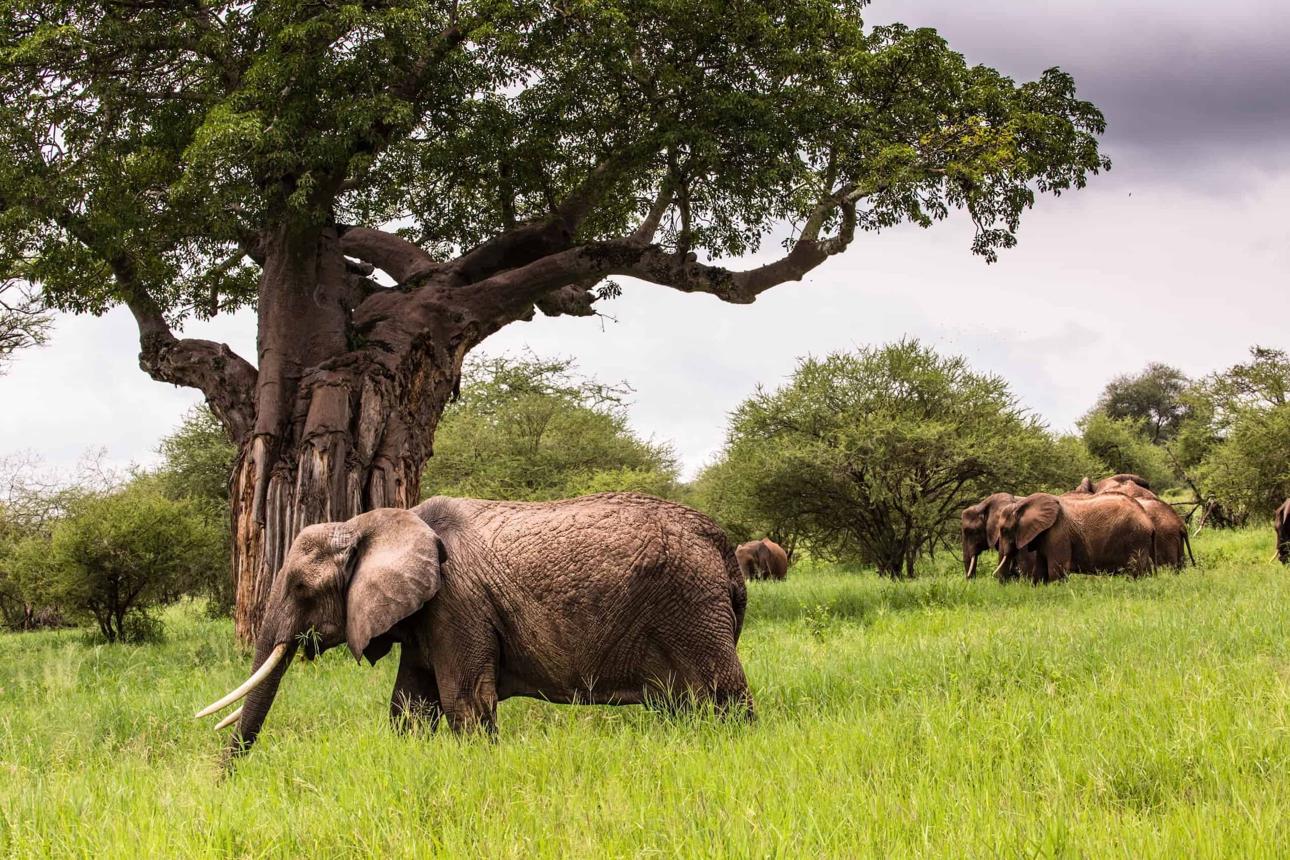
Imagine watching a pride of lions resting beneath an acacia tree, witnessing thousands of wildebeest moving across endless grasslands or observing elephants walking through ancient baobab forests. These are just some of the unforgettable experiences waiting for you on a Tanzania safari.
Located in East Africa, Tanzania is one of the world's most remarkable wildlife destinations. The country is home to internationally recognized national parks, diverse ecosystems, extraordinary wildlife populations and landscapes that have inspired travellers, photographers and nature lovers for generations.
From the famous Serengeti National Park to the spectacular Ngorongoro Crater, the elephant-rich landscapes of Tarangire and the remote wilderness of southern Tanzania, every safari destination offers something unique.
What makes Tanzania particularly special is the opportunity to combine wildlife adventures with other extraordinary experiences. Travellers can explore the African savannah, climb Mount Kilimanjaro, discover local cultures and relax on the tropical beaches of Zanzibar during the same holiday.
At Mbega African Safaris, based in Moshi, Tanzania, we help travellers discover the country's natural beauty through carefully planned wildlife safaris, mountain adventures and cultural experiences.
If you are wondering why Tanzania should be your next African safari destination, here are the reasons that make this country an exceptional choice.
Experience the World-Famous Serengeti National Park
Serengeti National Park is one of the most celebrated wildlife destinations in Africa and a major reason travellers choose Tanzania for their safari.
The name Serengeti is commonly associated with the Maasai expression describing endless plains, an appropriate description of its vast grasslands and open horizons.
The park covers approximately 14,750 square kilometres and supports a remarkable diversity of wildlife.
Visitors can encounter lions, elephants, leopards, buffaloes, giraffes, zebras, wildebeest, hyenas, cheetahs and numerous antelope species.
Serengeti is especially famous for its large predator populations and the opportunities it provides for observing wildlife interactions in natural habitats.
Its varied landscapes include open plains, rocky outcrops known as kopjes, river systems and wooded areas.
Each part of the park offers a different wildlife experience.
Central Serengeti is particularly attractive for year-round game viewing, while the northern and southern areas become especially important during different stages of the Great Migration.
For travellers seeking the classic African safari experience, Serengeti is one of Tanzania's greatest attractions.
Witness the Spectacular Great Wildebeest Migration
One of the most extraordinary natural events in the world takes place across the Serengeti ecosystem.
The Great Wildebeest Migration involves enormous herds of wildebeest, accompanied by zebras and gazelles, moving across the grasslands in search of fresh grazing and water.
This continuous movement follows seasonal rainfall patterns and connects Tanzania's Serengeti with Kenya's Maasai Mara ecosystem.
During the early months of the year, large numbers of wildebeest gather around the southern Serengeti and Ndutu plains.
Between approximately January and March, the calving season brings thousands of newborn animals into the ecosystem, attracting predators such as lions, cheetahs and hyenas.
As grazing conditions change, the herds gradually move towards the central, western and northern parts of Serengeti.
Between approximately July and October, some herds cross the Mara River, creating dramatic wildlife encounters.
However, migration timing changes from year to year depending on rainfall and grazing conditions.
River crossings and predator encounters are natural events and cannot be guaranteed.
A well-planned migration safari considers your travel dates and selects the most suitable region of Serengeti for that period.
Discover the Natural Wonder of Ngorongoro Crater
Ngorongoro Crater is one of Tanzania's most remarkable natural attractions.
Located within the Ngorongoro Conservation Area, this enormous volcanic caldera was formed when a large ancient volcano collapsed millions of years ago.
Today, the crater floor contains grasslands, freshwater areas, woodland and seasonal wetlands that support a variety of wildlife.
The landscape is surrounded by impressive crater walls, creating one of Africa's most distinctive safari environments.
During a game drive, visitors may encounter lions, elephants, buffaloes, zebras, wildebeest, hippos and numerous bird species.
Ngorongoro is also one of the places in Tanzania where travellers may have an opportunity to see the endangered black rhinoceros.
However, wildlife sightings are never guaranteed, and rhinoceros encounters can be particularly unpredictable.
The combination of abundant wildlife, dramatic landscapes and relatively compact game-viewing areas makes Ngorongoro an excellent addition to many Tanzania safari itineraries.
For first-time visitors, combining Serengeti with Ngorongoro provides two very different but equally memorable wildlife experiences.
Enjoy Incredible Big Five Wildlife Viewing
For many safari travellers, seeing Africa's famous Big Five is one of the main goals of their journey.
The Big Five consists of the lion, leopard, elephant, African buffalo and rhinoceros.
Tanzania provides opportunities to encounter all five species, although their distribution varies between parks and ecosystems.
Serengeti is particularly well known for lions, leopards and other large predators.
Tarangire offers excellent opportunities to observe elephants, while Ngorongoro Crater is an important destination for buffaloes and the endangered black rhinoceros.
The country's protected areas also support many other fascinating animals.
Travellers may encounter giraffes, hippos, crocodiles, warthogs, hyenas, cheetahs, zebras and numerous antelope species.
Wildlife viewing is influenced by weather, animal movement, vegetation and the time spent exploring each destination.
With experienced safari guides and a well-designed itinerary, visitors can enjoy rewarding wildlife encounters while respecting the animals' natural behaviour.
Explore Tarangire National Park and Its Elephant Herds
Tarangire National Park is one of northern Tanzania's most distinctive safari destinations.
Located southwest of Arusha, the park is particularly famous for its large elephant populations, ancient baobab trees and varied landscapes.
During the dry season, many animals gather near the Tarangire River and other available water sources.
Visitors may observe elephant families travelling through the woodland, giraffes browsing among trees and zebras grazing across open areas.
The park also supports lions, leopards, buffaloes, wildebeest and many bird species.
Tarangire's enormous baobab trees create a beautiful photographic landscape, especially during early morning and late afternoon game drives.
For travellers beginning their safari from Arusha or Moshi, Tarangire is often included as the first destination on a northern Tanzania wildlife itinerary.
Its scenery and wildlife diversity make it an excellent complement to Serengeti and Ngorongoro.
Discover the Beauty of Lake Manyara National Park
Lake Manyara National Park offers another memorable safari experience in northern Tanzania.
Situated beneath the dramatic Great Rift Valley escarpment, the park contains groundwater forests, open grasslands, wetlands and the shallow alkaline Lake Manyara.
The diversity of habitats supports a range of wildlife and bird species.
Visitors may encounter elephants, baboons, giraffes, buffaloes, zebras and hippos.
The park is also associated with tree-climbing lions, although sightings are uncommon and should never be expected.
Birdwatchers can enjoy opportunities to observe pelicans, storks, flamingos when conditions are suitable and many other species.
Lake Manyara is particularly appealing for travellers interested in scenic landscapes and a different type of ecosystem from the open plains of Serengeti.
Its location also makes it convenient to include in many short northern Tanzania safari itineraries.
Experience Wildlife Safaris Throughout the Year
One of Tanzania's greatest advantages is that it offers rewarding safari experiences in different seasons.
While wildlife movements and weather conditions change throughout the year, there is no single month that suits every traveller.
The dry season, generally from June to October, is popular because vegetation becomes thinner and animals often gather around permanent water sources.
This can make wildlife easier to observe in several national parks.
The green season, from approximately November to May, brings a different atmosphere.
Landscapes become greener, birdlife is particularly interesting and some areas experience fewer visitors.
The southern Serengeti and Ndutu plains are especially attractive during the wildebeest calving period, usually between January and March.
Although heavy rains can affect road conditions and accessibility during parts of March, April and May, the green season can still provide excellent opportunities for wildlife photography.
The best time to visit Tanzania depends on your interests, preferred destinations and the wildlife experiences you hope to enjoy.
Choose From Luxury, Mid-Range and Budget Safaris
Another reason Tanzania is an attractive safari destination is the variety of accommodation and travel experiences available.
Travellers can choose from luxury lodges, boutique tented camps, comfortable mid-range properties and budget camping arrangements.
Luxury safaris may include elegant lodges, spacious suites, private game drives and carefully selected dining experiences.
Some properties offer exceptional views across the savannah or overlook important wildlife areas.
Mid-range safaris provide comfortable accommodation and professionally organized game drives at more moderate prices.
Budget camping safaris offer a practical way to explore Tanzania's national parks while enjoying an outdoor adventure.
Private safaris also give travellers greater flexibility in planning their itinerary, travel pace and accommodation preferences.
At Mbega African Safaris, we help travellers compare options based on their budget, preferred comfort level and desired safari experience.
Enjoy Private Safaris With Flexible Itineraries
A private Tanzania safari is particularly appealing to couples, families, honeymooners and small groups.
Unlike fixed group departures, private safaris can provide greater flexibility when organizing travel dates, destinations and daily activities.
Travellers can spend more time observing wildlife, focus on photography or adjust their daily schedule according to the agreed itinerary and park regulations.
For example, a family travelling with children may prefer shorter game drives and accommodation with family-friendly facilities.
A photography enthusiast may want extended periods in Serengeti to observe animals during early morning and late afternoon light.
Honeymoon couples may prefer intimate lodges and a slower travel schedule.
Private safaris can also be arranged for travellers celebrating birthdays, anniversaries or other special occasions.
The opportunity to personalize the experience makes Tanzania an attractive destination for travellers seeking more than a standard holiday.
Discover Tanzania's Remarkable Landscapes
Tanzania's appeal extends beyond its famous wildlife.
The country offers an extraordinary variety of natural landscapes, including open savannah, volcanic highlands, tropical forests, lakes, rivers and mountains.
In northern Tanzania, travellers can enjoy views of Mount Meru, explore the Great Rift Valley and discover the spectacular Ngorongoro Highlands.
The Serengeti provides enormous plains and dramatic skies, while Tarangire is known for its ancient baobab trees.
Southern Tanzania offers vast wilderness landscapes in destinations such as Nyerere National Park and Ruaha National Park.
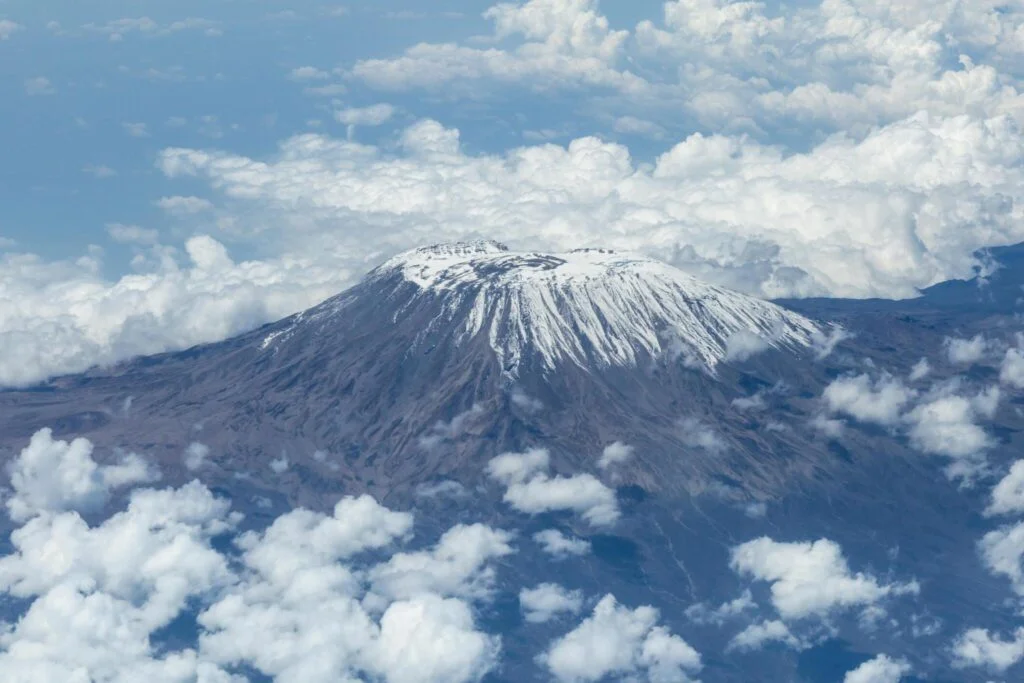
For travellers interested in mountain scenery, Mount Kilimanjaro rises above the surrounding plains as Africa's highest mountain.
These varied environments create wonderful opportunities for wildlife photography, landscape exploration and outdoor adventure.
Combine Your Safari With a Mount Kilimanjaro Adventure
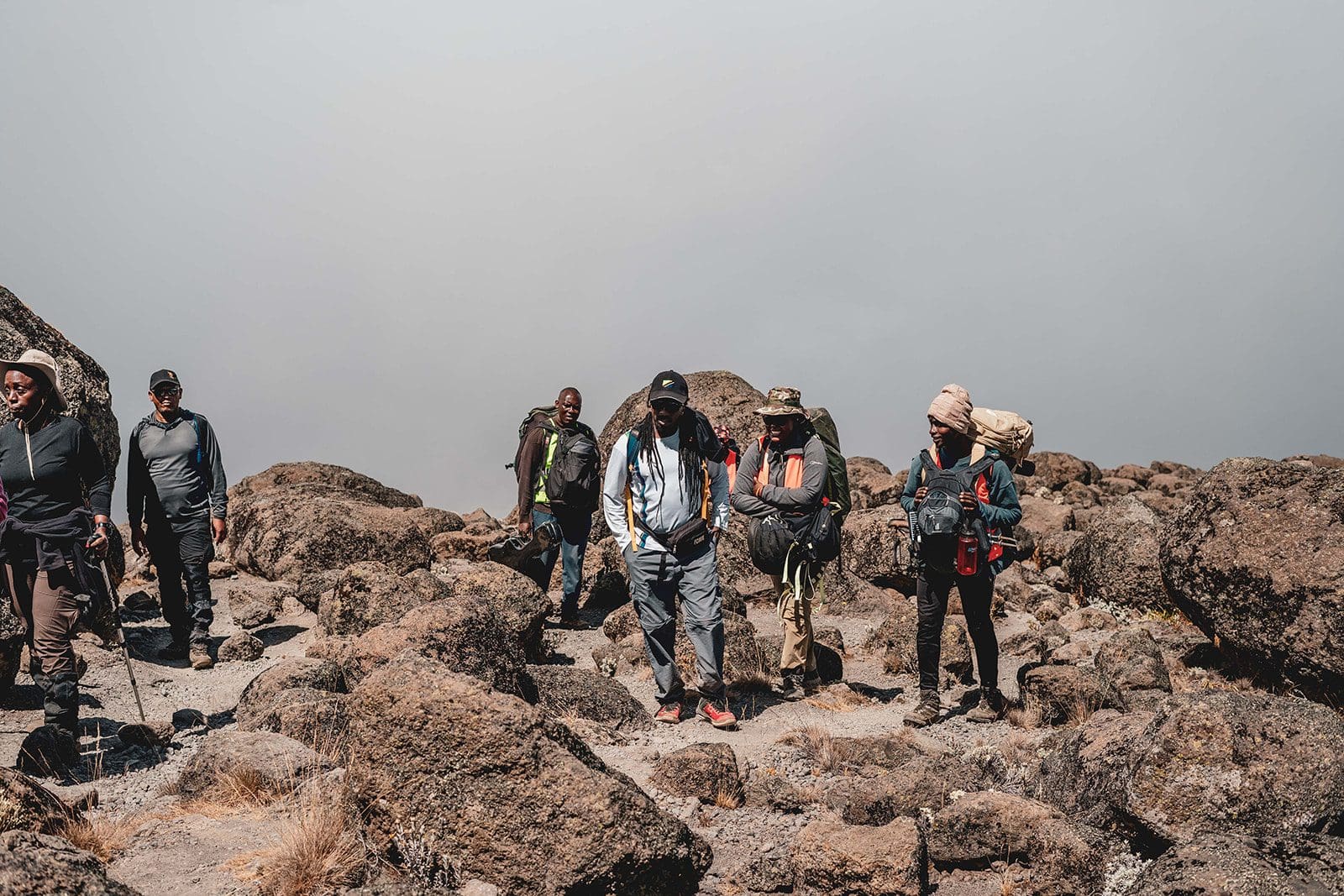
One of the advantages of choosing Tanzania is the opportunity to combine a wildlife safari with a mountain trekking adventure.
Mount Kilimanjaro, standing at 5,895 metres above sea level, is Africa's highest mountain.
Located near Moshi in northern Tanzania, Kilimanjaro attracts trekkers from around the world.
Popular climbing routes include Machame, Marangu, Lemosho and Rongai.
Each route provides a different experience in terms of scenery, trekking duration, accommodation and acclimatization opportunities.
For travellers with enough time, a Kilimanjaro climb can be followed by a wildlife safari in Tarangire, Serengeti or Ngorongoro.
Alternatively, visitors who do not want to attempt the summit can enjoy a Kilimanjaro day hike on the lower slopes of the mountain.
This combination of mountain adventure and wildlife exploration makes Tanzania an especially rewarding destination for active travellers.
Relax on Zanzibar's Beautiful Beaches After Your Safari
Tanzania is one of the few destinations where travellers can combine a world-class wildlife safari with a tropical Indian Ocean holiday.
Zanzibar is famous for its beautiful white sandy beaches, turquoise water, historic Stone Town and relaxing island atmosphere.
After several days exploring national parks, travellers can fly to Zanzibar for a beach holiday.
Popular coastal destinations include Nungwi, Kendwa, Matemwe, Paje and Jambiani.
Visitors can relax at beachfront resorts, enjoy snorkelling excursions, discover spice plantations or explore the cultural heritage of Stone Town.
Zanzibar is particularly attractive for honeymoon couples, families and travellers seeking a balance between adventure and relaxation.
A common safari and beach itinerary includes several days visiting northern Tanzania's national parks followed by a few nights in Zanzibar.
The combination creates two contrasting travel experiences within one country.
Experience Tanzania's Rich Culture and Local Traditions
A Tanzania safari is not only about wildlife.
The country is home to diverse communities, languages, traditions and cultural heritage.
Travellers can learn about the lives and traditions of local communities through responsibly organized cultural experiences.
In northern Tanzania, some itineraries include opportunities to learn about Maasai culture and traditional pastoral lifestyles.
Around Moshi and the slopes of Mount Kilimanjaro, visitors can explore local villages, coffee-growing areas and Chagga cultural heritage.
A visit to Materuni village, for example, can include a guided waterfall walk and a traditional coffee experience.
These activities provide opportunities to learn how coffee is grown, processed and prepared using local methods.
Respectful cultural encounters can add depth to a safari by connecting visitors with the people and traditions of Tanzania.
Choose experiences that benefit local communities and respect their privacy, customs and wishes.
Explore Tanzania's Less Crowded Safari Destinations
Although Serengeti and Ngorongoro attract international attention, Tanzania also offers exceptional wilderness destinations away from the busiest northern safari routes.
Nyerere National Park in southern Tanzania is known for its extensive wilderness, river systems and varied wildlife habitats.
Depending on the location and operator, visitors may enjoy game drives and authorized boat safaris.
Ruaha National Park offers dramatic landscapes, baobab woodlands and opportunities to observe elephants, lions and other wildlife.
Further west, Katavi National Park provides a remote safari environment, particularly attractive to experienced travellers seeking extensive wilderness areas.
These destinations can offer a different style of safari, often with fewer tourist vehicles in many areas.
For travellers returning to Tanzania or looking for a more remote wildlife adventure, the southern and western safari circuits are worth considering.
Enjoy Excellent Wildlife Photography Opportunities
Tanzania is one of Africa's outstanding destinations for wildlife and landscape photography.
The combination of abundant wildlife, varied habitats and beautiful natural light provides opportunities for both amateur and experienced photographers.
Serengeti's open plains allow photographers to capture animals against expansive horizons.
Ngorongoro Crater offers dramatic elevated viewpoints and wildlife scenes within a distinctive volcanic landscape.
Tarangire provides beautiful compositions featuring elephants and enormous baobab trees.
During the Great Migration, travellers may photograph large herds moving through the grasslands or crossing rivers.
However, animal movement and dramatic encounters cannot be predicted with certainty.
Photographers should allow enough time at each destination and work with guides who understand wildlife behaviour and responsible viewing practices.
Early morning and late afternoon game drives often provide appealing natural light for photography.
Tanzania Is an Excellent Destination for Family Safaris
Tanzania offers memorable safari experiences for families travelling with children.
Watching elephants, giraffes, zebras and other wildlife in their natural habitats can be both exciting and educational for young travellers.
Family safari itineraries can be designed with comfortable accommodation, manageable travel distances and activities suited to different age groups.
Destinations such as Tarangire, Lake Manyara and Ngorongoro are often included in shorter northern circuit itineraries.
Families with more time can continue to Serengeti for additional wildlife experiences.
When travelling with children, choose accommodation that provides suitable facilities and review any age restrictions for activities.
It is also important to include regular breaks, adequate drinking water and a comfortable daily schedule.
A thoughtfully organized family safari can create meaningful memories while introducing children to wildlife conservation and the natural environment.
Support Wildlife Conservation and Local Communities
Tanzania's national parks and protected areas play an important role in conserving wildlife and natural habitats.
Park fees and tourism-related revenue contribute to the management of protected areas, although the direct benefits depend on how funds are allocated and how tourism is operated.
Responsible tourism can also provide employment and business opportunities for local guides, drivers, accommodation staff and community enterprises.
Visitors can support responsible travel by respecting wildlife viewing regulations, avoiding littering and choosing operators who follow appropriate environmental and labour practices.
When participating in cultural activities, selecting community-supported experiences can help create meaningful local economic benefits.
At Mbega African Safaris, we encourage travellers to appreciate Tanzania's wildlife, landscapes and communities while respecting the destinations they visit.
How Many Days Do You Need for a Tanzania Safari?
The ideal safari duration depends on the destinations you want to visit and how much time you have available.
A two-day safari can provide an introduction to northern Tanzania's wildlife areas, depending on your departure location and itinerary.
Three to four days can allow visitors to explore selected parks such as Tarangire, Lake Manyara and Ngorongoro.
A five-day safari can include Serengeti and Ngorongoro, although travel distances should be considered carefully.
For travellers seeking a more relaxed experience, six to eight days provides additional time for game drives and visiting multiple destinations.
Longer itineraries allow opportunities to explore more remote areas, enjoy extended wildlife photography or combine different safari circuits.
If you are visiting Tanzania for the first time, spending at least five or six days on safari is often worthwhile when your schedule and budget allow.
Best Time to Visit Tanzania for a Wildlife Safari
Tanzania offers wildlife viewing throughout the year, but the best travel period depends on your priorities.
From June to October, the dry season generally provides good game-viewing conditions in many national parks.
Between January and March, the southern Serengeti and Ndutu plains are particularly attractive for travellers interested in the wildebeest calving season.
November and December can offer beautiful green landscapes, migratory birdlife and rewarding wildlife viewing.
April and May often bring heavier rainfall, which can affect some roads and accommodation operations.
Travellers planning to witness specific stages of the Great Migration should understand that wildlife movement depends on rainfall and other natural conditions.
No safari operator can guarantee river crossings, predator hunts or sightings of particular animals.
Choosing suitable destinations for your travel dates improves the opportunity to enjoy the wildlife experiences that interest you most.
Practical Tips for Planning Your First Tanzania Safari
Preparing for your first Tanzania safari involves more than selecting national parks.
Careful planning helps you choose the right itinerary, accommodation and travel arrangements.
Select your safari destinations according to the wildlife you want to see.
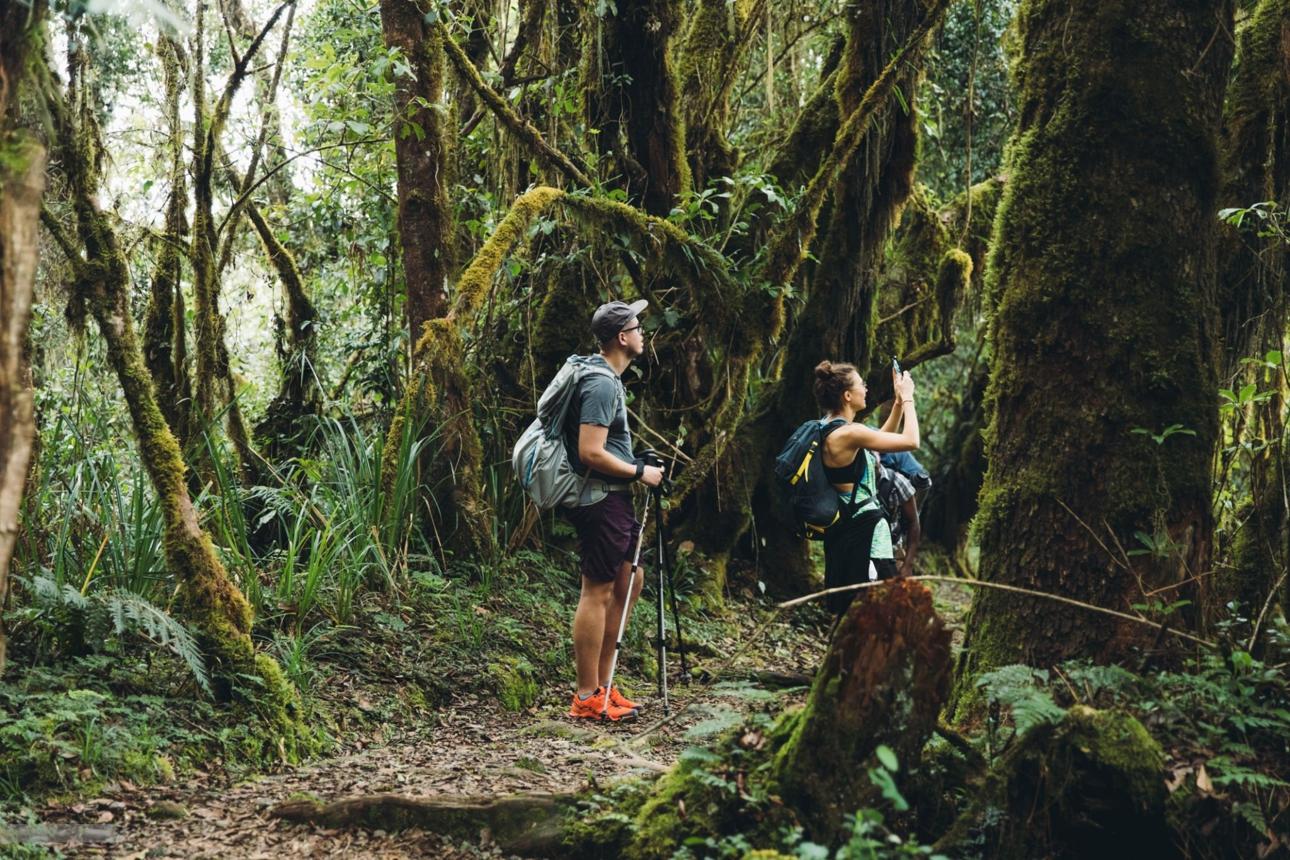
Journey Planning Allow enough travel days, particularly when visiting Serengeti.
Choose a licensed and reputable local safari operator.
Confirm accommodation categories and services included in your quotation.
Consider a private safari if you prefer a flexible itinerary.
Pack comfortable clothing, sunscreen, a hat and binoculars.
Bring warm layers for early morning game drives and the Ngorongoro Highlands.
Confirm passport, visa, insurance and health requirements before departure.
Follow your guide's instructions and national park wildlife regulations.
Reserve accommodation early during popular travel periods.
The most enjoyable safaris are usually those that balance wildlife viewing, travel time and sufficient opportunities to relax.
Frequently Asked Questions About Tanzania Safaris
Why is Tanzania one of the best countries for an African safari?
Tanzania offers remarkable wildlife diversity, famous national parks, the Great Wildebeest Migration, beautiful landscapes and opportunities to combine safaris with Kilimanjaro and Zanzibar holidays.
Which national park is best for a Tanzania safari?
Serengeti National Park is an excellent choice for travellers seeking extensive wildlife viewing and the Great Migration. Ngorongoro Crater and Tarangire are also outstanding safari destinations.
Can you see the Big Five in Tanzania?
Yes. Tanzania is home to lions, leopards, elephants, buffaloes and rhinoceroses. However, sightings depend on the destination, wildlife movement and natural conditions.
What is the best month for a Tanzania safari?
June to October generally offers excellent dry-season wildlife viewing, while January and February are particularly attractive for the wildebeest calving season in the southern Serengeti and Ndutu.
Is Tanzania suitable for a first African safari?
Yes. Tanzania offers established safari destinations, experienced local guides and a range of accommodation options suitable for first-time safari travellers.
How much does a Tanzania safari cost?
Safari prices depend on the number of travel days, parks visited, accommodation category, group size and season. Request a detailed quotation based on your preferred itinerary.
Can I combine a Tanzania safari with Zanzibar?
Yes. Many visitors enjoy a wildlife safari in northern Tanzania before travelling to Zanzibar for several days of beach relaxation.
How many days are enough for Serengeti and Ngorongoro?
A three-day itinerary is possible with appropriate routing, but four to six days usually provides more time for wildlife viewing and a less hurried experience.
Plan Your Tanzania Safari With Mbega African Safaris
Tanzania offers an exceptional combination of wildlife, spectacular landscapes, cultural experiences and outdoor adventures.
From watching elephants beneath Tarangire's baobab trees to exploring the endless plains of Serengeti and descending into Ngorongoro Crater, every destination reveals a different side of this beautiful country.
Whether you are planning your first African safari, a family holiday, a romantic honeymoon or a wildlife photography adventure, Tanzania provides unforgettable opportunities to explore nature.
At Mbega African Safaris, we help travellers discover the best of Tanzania through personalized safari experiences and carefully organized travel itineraries.
Based in Moshi, near Mount Kilimanjaro, our local team can assist with wildlife safaris, Kilimanjaro climbing expeditions, cultural excursions and Zanzibar beach holidays.
We work with travellers to select suitable destinations, accommodation and travel arrangements based on their interests, schedules and budgets.
Ready to experience the beauty of Tanzania? Contact Mbega African Safaris today and start planning your safari adventure.
WhatsApp: +255 657 304 681
Discover extraordinary wildlife, remarkable landscapes and authentic Tanzania travel experiences with Mbega African Safaris.
