

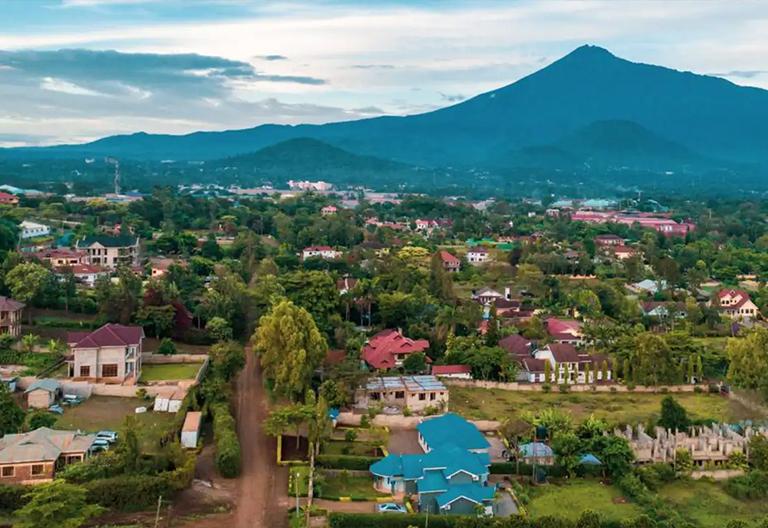
Planning a safari, Kilimanjaro climb or Zanzibar holiday? Discover essential safety tips, health precautions, transport advice and local travel information to help you explore Tanzania with confidence.
Use this article as a practical guide for planning your Tanzania journey with Mbega African Safaris.
Tanzania Travel Safety Guide: What Every Visitor Should Know
Tanzania is one of Africa's most exciting travel destinations, offering extraordinary wildlife safaris, spectacular mountain landscapes, beautiful Indian Ocean beaches and welcoming cultural experiences. From the endless plains of Serengeti National Park to the summit of Mount Kilimanjaro and the white sandy beaches of Zanzibar, the country offers unforgettable adventures for travellers from around the world.
However, just like travelling to any international destination, visiting Tanzania requires preparation, awareness and an understanding of local conditions.
One of the most common questions travellers ask before booking is whether Tanzania is safe for tourists. Many visitors enjoy well-organized journeys without serious incidents, particularly when travelling with experienced local guides and following sensible precautions. Nevertheless, visitors should understand the risks associated with crime, road travel, wildlife, altitude, health and occasional civil unrest.
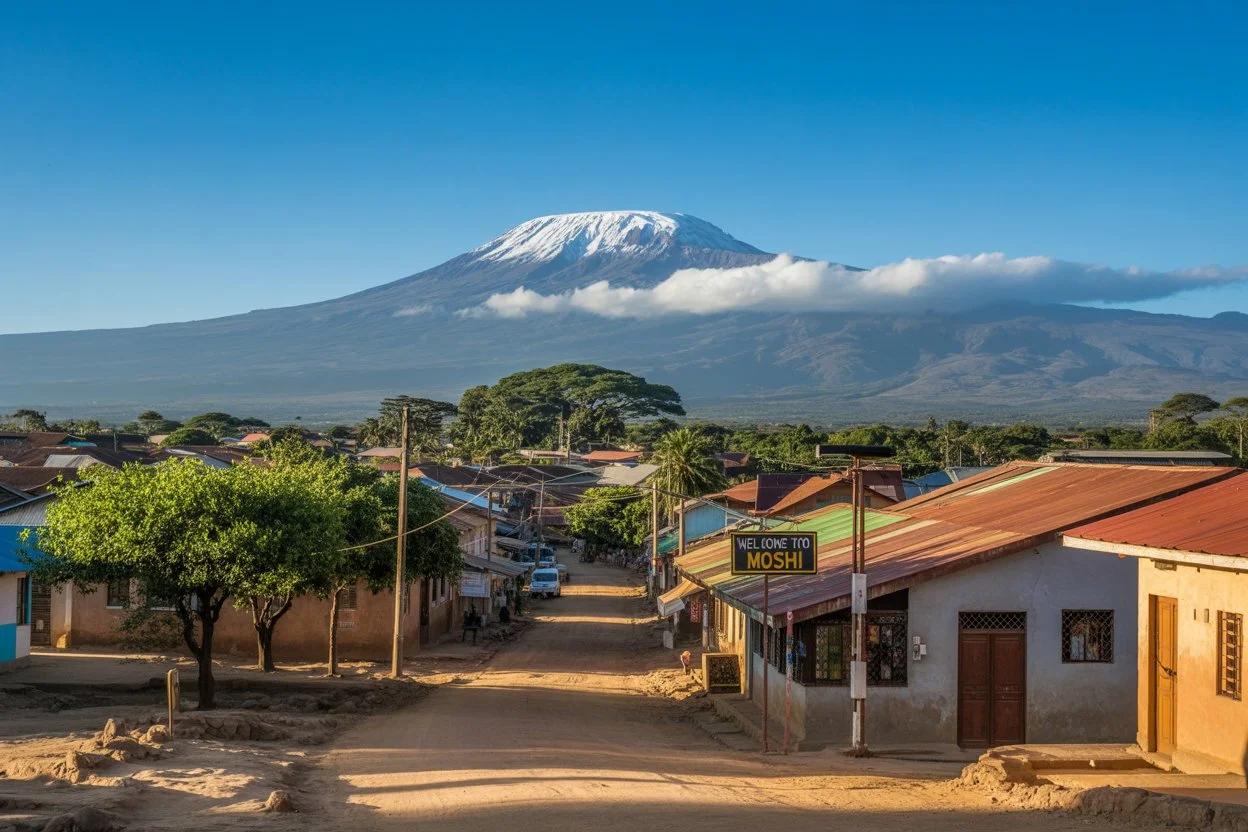
At Mbega African Safaris, based in Moshi near Mount Kilimanjaro, we believe that informed travellers are better prepared to enjoy their adventures. This guide explains the essential safety considerations every visitor should understand before exploring Tanzania.
Is Tanzania Safe for Tourists?
Tanzania welcomes international travellers for wildlife safaris, mountain trekking, beach holidays and cultural experiences throughout the year.
Popular tourism destinations include Serengeti National Park, Ngorongoro Crater, Tarangire National Park, Mount Kilimanjaro, Arusha, Moshi and Zanzibar.
However, tourism popularity does not mean that every area is free from risk.
Visitors should remain alert to petty theft, robbery, road accidents, demonstrations and changing security conditions. Some border areas also have specific travel warnings.
Security conditions can change, so travellers should review their government's latest travel advisory before departure and continue monitoring updates during their stay.
For most visitors, planning transport in advance, choosing established accommodation and working with a responsible local tour operator are sensible ways to reduce avoidable risks.
Staying Safe in Tanzania's Cities and Towns
Tanzania's main cities and tourism centres include Dar es Salaam, Arusha, Moshi and Stone Town in Zanzibar.
These destinations offer hotels, restaurants, markets, transport services and opportunities to experience everyday Tanzanian life.
However, crowded streets, markets, bus stations and busy commercial areas can attract pickpockets and opportunistic thieves.
When exploring urban areas, keep your valuables secure and remain aware of your surroundings.
Avoid displaying large amounts of cash, expensive jewellery or valuable electronic devices unnecessarily.
Use established transport services, particularly after dark, and avoid walking alone through unfamiliar or poorly lit areas.
If you want to explore local markets or neighbourhoods, travelling with a knowledgeable local guide can help you navigate the area and understand local customs.
Should you experience a robbery, prioritize your personal safety rather than physically resisting.
Wildlife Safari Safety in Tanzania
A wildlife safari is one of the main reasons travellers visit Tanzania.
National parks such as Serengeti, Tarangire, Lake Manyara and Arusha National Park offer opportunities to observe elephants, lions, giraffes, zebras, buffaloes, antelopes and many other animals in their natural habitats.
Although these wildlife encounters are fascinating, visitors should remember that wild animals are unpredictable.
Never attempt to approach, feed or touch wildlife, even when an animal appears calm.
During game drives, remain inside your safari vehicle unless your guide confirms that stopping and exiting is permitted in a designated area.
Avoid making loud noises or sudden movements when observing animals.
Never stand between an animal and its young, and always maintain a respectful distance.
If you are staying at a lodge or tented camp inside a wildlife area, follow the property's instructions about moving around after dark.
Some camps require guests to be escorted between their accommodation and shared facilities because animals may move through the surrounding environment.
Following park regulations and your guide's instructions is essential for a safe and responsible safari.
Kilimanjaro Climbing Safety and Altitude Awareness
Climbing Mount Kilimanjaro is a remarkable adventure, but reaching its 5,895-metre summit presents significant physical and environmental challenges.
One of the greatest concerns is altitude sickness.
As climbers ascend, atmospheric pressure decreases and less oxygen becomes available to the body.
Symptoms of altitude sickness may include headaches, nausea, dizziness, unusual fatigue and difficulty sleeping.
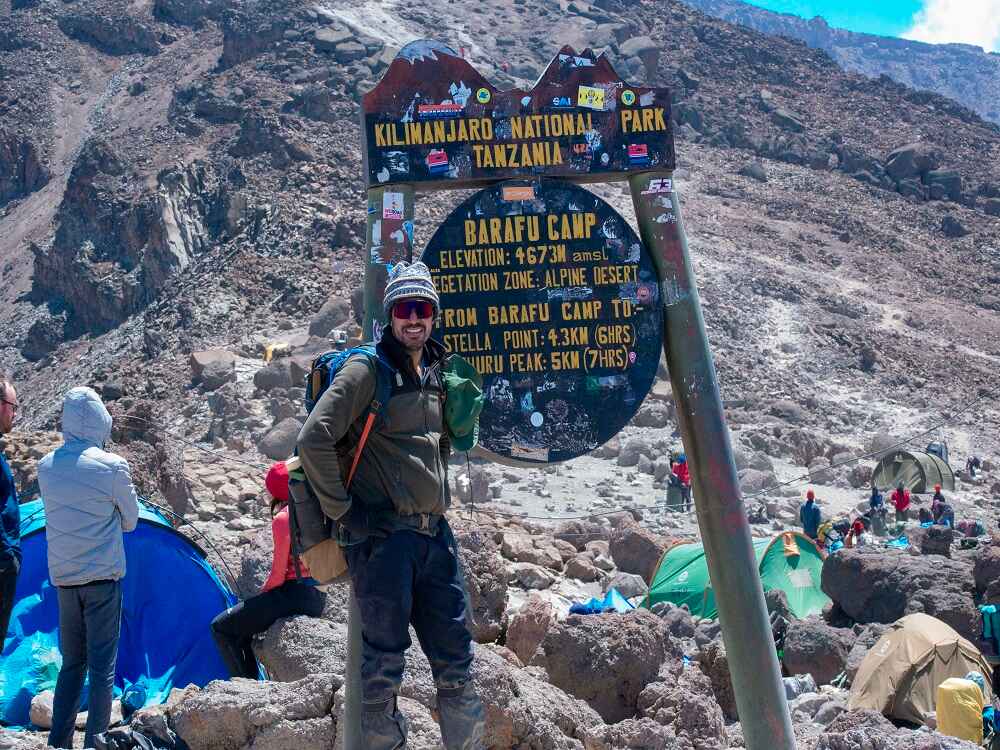
Serious altitude illness can become life-threatening if symptoms are ignored.
Choosing a longer trekking itinerary generally allows more time for acclimatization.
For many climbers, seven-day or eight-day routes provide a better altitude adjustment schedule than shorter itineraries.
Popular options include the seven-day Machame Route, eight-day Lemosho Route and six-day Marangu Route.
However, no route completely eliminates the possibility of altitude sickness.
Before climbing, prepare physically, select appropriate trekking equipment and discuss any relevant medical conditions with a qualified healthcare professional.
During the trek, communicate symptoms promptly, follow your mountain guide's instructions and descend when medically necessary.
Choosing an experienced mountain operator with established emergency procedures is particularly important.
Health Precautions Before Travelling to Tanzania
Preparing for your health needs is an important part of international travel.
Before departure, arrange a consultation with a qualified travel-health professional, ideally several weeks before your trip.
Discuss recommended vaccinations, malaria prevention, existing medical conditions and any medication you may need.
Malaria is present in many lower-altitude parts of Tanzania, including several popular safari destinations and coastal areas.
Travellers should ask a healthcare professional whether malaria-prevention medication is appropriate for their itinerary.
Additional precautions include using insect repellent, wearing long sleeves during mosquito-active hours and staying in accommodation with suitable mosquito protection.
Yellow fever vaccination requirements depend on your travel history, including whether you are arriving from or transiting through a country with yellow fever transmission risk.
Requirements should be checked against official guidance before travel.
Carry essential prescription medication in its original packaging, together with appropriate documentation.
Travellers should also be aware that medical facilities and emergency services can be limited in remote safari destinations.
Drinking Water and Food Safety in Tanzania
Food is an enjoyable part of travelling through Tanzania, with opportunities to experience local dishes, fresh tropical fruits and regional cuisine.
However, travellers should take precautions to reduce the risk of foodborne illness.
Avoid drinking untreated tap water.
Choose sealed bottled water or water that has been properly filtered, disinfected or boiled.
Check that bottled drinks are securely sealed before consumption.
When dining outside your accommodation, select establishments with good food-handling practices and choose freshly prepared meals served hot.
Wash or peel fruit when appropriate and take care with raw foods that may have been washed using unsafe water.
During a safari or trekking expedition, confirm that your tour operator provides suitable drinking water and hygienically prepared meals.
Maintaining proper hydration is particularly important during long game drives and mountain trekking activities.
Road Transport and Driving Safety
Road transport is an important part of travelling around Tanzania.
Visitors frequently travel between Kilimanjaro International Airport, Moshi, Arusha, national parks and surrounding towns.
Road conditions vary considerably.
Main highways are generally more developed than remote rural routes, but visitors may encounter potholes, livestock, pedestrians, heavy vehicles and limited street lighting.
Driving after dark can be especially challenging in unfamiliar areas.
For longer journeys, consider arranging transport with an experienced professional driver who understands local road conditions.
When travelling on safari, use a suitable vehicle and follow your driver's instructions.
Always wear a seat belt where one is fitted and avoid unnecessary distractions during difficult driving conditions.
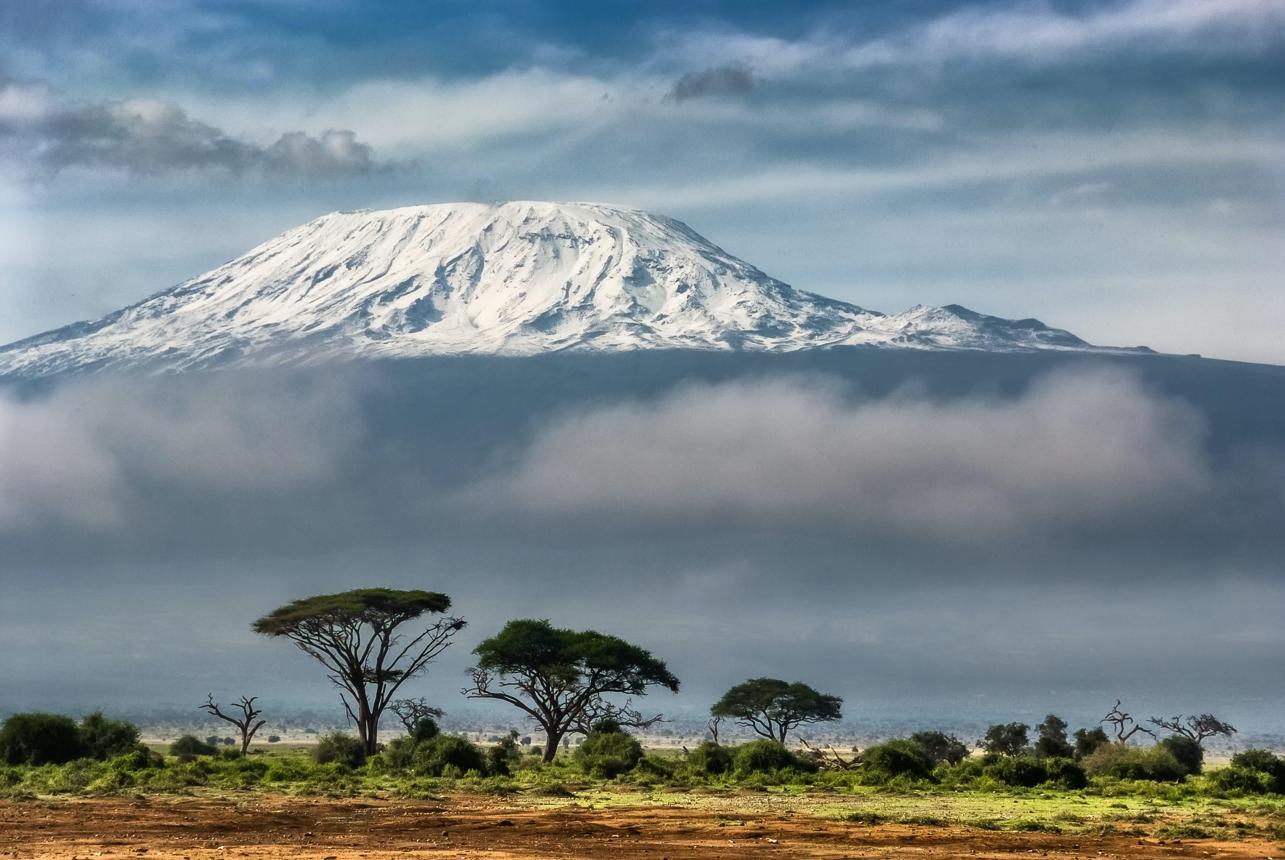
If you are planning a self-drive holiday, make sure you understand local traffic regulations and the challenges of driving in remote areas.
Airport Transfers and Arrival Safety
Most international visitors travelling to northern Tanzania arrive through Kilimanjaro International Airport, commonly known as JRO.
Others may enter through Julius Nyerere International Airport in Dar es Salaam or Abeid Amani Karume International Airport in Zanzibar.
Arranging your airport transfer before arrival can make the first part of your journey more convenient.
Confirm your pickup instructions, driver contact details and accommodation address before departure.
When you arrive, verify the identity of the person collecting you before entering a vehicle.
Avoid accepting unexpected transport offers from unfamiliar individuals.
If your flight is delayed, contact your tour operator or accommodation provider so that your transfer arrangements can be adjusted.
For visitors arriving late at night, prearranged private transport is particularly useful.
Staying Safe During a Zanzibar Beach Holiday
Zanzibar is famous for its beautiful beaches, historic Stone Town, tropical climate and warm Indian Ocean waters.
Popular holiday destinations include Nungwi, Kendwa, Paje, Jambiani and Matemwe.
While visitors can enjoy a wide range of beach activities, sensible precautions remain important.
Avoid leaving valuables unattended on beaches or in public areas.
Choose reputable providers for snorkelling, diving, boat excursions and other marine activities.
Before boarding a boat, check that suitable life jackets and safety arrangements are available.
Follow local advice regarding tides, currents and swimming conditions.
Some coastal areas experience significant tidal changes, which can affect swimming and water activities.
Avoid swimming alone in unfamiliar waters, particularly when weather or sea conditions are poor.
Respect local communities and dress appropriately outside resort and designated beach areas.
Understanding Local Laws and Cultural Customs
Tanzania has a rich cultural heritage, with communities representing many languages, traditions and ways of life.
Respecting local customs is an important part of responsible travel.
Swahili is widely spoken, and learning simple greetings such as Jambo, Habari and Asante can help create friendly interactions.
Dress modestly when visiting towns, villages and religious areas, particularly in Zanzibar and other culturally conservative communities.
Always ask permission before photographing people.
Avoid photographing military facilities, sensitive government buildings or security installations.
Travellers should also understand that Tanzania has laws that may differ significantly from those in their home countries, including restrictions affecting drugs, public conduct and same-sex relationships.
Same-sex sexual activity is illegal and can carry severe penalties.
If you are uncertain about a particular activity or local regulation, seek reliable advice before proceeding.
Travel Insurance and Medical Emergency Planning
Travel insurance is an important part of preparing for a Tanzania holiday.
From 1 October 2026, Tanzania introduced mandatory government-provided inbound travel insurance for applicable foreign visitors entering mainland Tanzania, alongside Zanzibar's existing inbound insurance arrangements.
The required insurance provider depends on your first point of entry, with specific exemptions and rules applying to certain travellers.
Visitors should confirm the latest requirements before departure and retain their insurance certificate.
Mandatory inbound insurance should not automatically be treated as a substitute for comprehensive personal travel insurance.
For a safari, trekking expedition or beach holiday, consider additional coverage for medical treatment, evacuation, trip cancellation, baggage and the activities included in your itinerary.
Kilimanjaro climbers should confirm that their insurance explicitly covers high-altitude trekking up to the required elevation and appropriate emergency evacuation.
Keep your insurer's emergency contact information easily accessible throughout your trip.
Weather Conditions and Seasonal Travel Safety
Tanzania experiences different weather patterns depending on the region and time of year.
The main rainy season generally occurs between March and May, while shorter rains often arrive around November and December.
Heavy rainfall can affect roads, hiking trails, river crossings and travel schedules.
During particularly wet periods, some remote areas may become difficult to access.
The drier months from June to October are popular for wildlife safaris, although mornings and evenings can be cool, especially around Ngorongoro and higher-altitude areas.
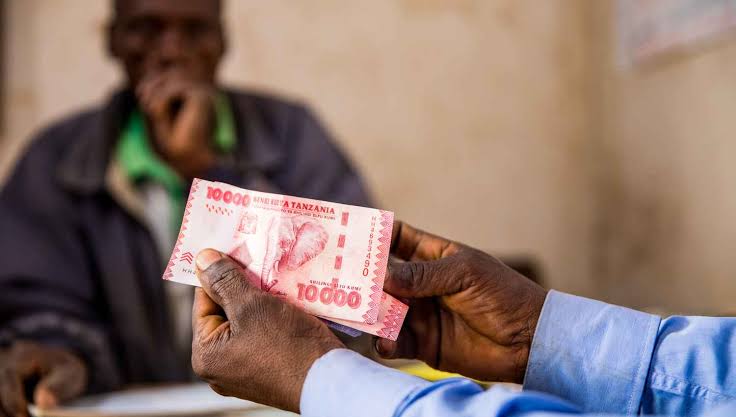
Mount Kilimanjaro can experience freezing temperatures, strong winds and rapidly changing weather regardless of the season.
Zanzibar's coastal climate is generally warmer and more humid, requiring appropriate sun protection and hydration.
Before travelling, review weather forecasts and prepare clothing and equipment suitable for your destination.
Money, Valuables and Avoiding Travel Scams
Managing money safely is another important consideration during your Tanzania holiday.
Carry only the cash you reasonably need for the day's activities and keep larger amounts secured at your accommodation.
Use established banks or authorized foreign exchange services.
When withdrawing money, choose ATMs in secure, well-lit locations whenever possible.
Avoid sharing banking details or payment verification codes with strangers.
When booking safaris, accommodation or excursions, request written confirmation of the services and prices before making payments.
Be cautious of unofficial guides or individuals offering unusually cheap excursions without verifiable business information.
Always confirm payment instructions directly with your chosen operator.
If you receive an unexpected request to send money to a different bank account or mobile money number, verify the change independently before proceeding.
Political Demonstrations and Regional Security
Travellers should be aware that demonstrations and periods of political unrest can occur in Tanzania.
Public gatherings may lead to road closures, increased security measures, transport disruptions or restrictions affecting communications.
Avoid demonstrations, political rallies and large gatherings where tensions may develop.
Follow instructions from local authorities and monitor reliable news and official travel advisories.
Some areas near Tanzania's southern border with Mozambique, particularly parts of the Mtwara Region, have heightened security warnings linked to extremist activity.
Other remote border regions may also present additional risks.
Because security conditions can change, visitors should check destination-specific advisories rather than assuming that all areas of Tanzania have identical risk levels.
Emergency Contacts and What to Do if Something Goes Wrong
Before starting your journey, save the contact details of your tour operator, accommodation provider, insurance company and nearest embassy or consulate.
Useful emergency numbers in Tanzania include:
112 for police emergency assistance
115 for ambulance services
114 for fire services
Emergency response times can vary, particularly in remote areas.
If you experience a medical emergency or security problem, contact local emergency services and your tour operator as soon as it is safe to do so.
If your passport is lost or stolen, report the incident to the relevant authorities and contact your embassy or consulate for further assistance.
For travellers visiting remote national parks or climbing Mount Kilimanjaro, having an experienced local team and a clear emergency communication plan is especially valuable.
Essential Safety Tips for First-Time Visitors to Tanzania
If this is your first visit to Tanzania, a few simple precautions can make your journey more comfortable and better organized.
Check official travel advisories before departure.
Confirm passport, visa and mandatory insurance requirements.
Choose established tour operators and accommodation providers.
Arrange airport transfers in advance.
Keep copies of important travel documents.
Carry appropriate travel insurance and emergency contacts.
Journey Planning Follow national park regulations and wildlife guide instructions.
Use safe drinking water and practise good food hygiene.
Protect yourself against mosquitoes and excessive sun exposure.
Avoid walking alone in unfamiliar areas after dark.
Respect local laws, cultural traditions and community customs.
Allow enough time for altitude acclimatization when climbing Kilimanjaro.
These precautions cannot eliminate every risk, but they can help travellers prepare more effectively for their time in Tanzania.
Frequently Asked Questions About Tanzania Travel Safety
Is Tanzania safe for first-time tourists?
Many first-time visitors enjoy successful safaris, mountain climbs and beach holidays in Tanzania. However, travellers should remain aware of crime, health risks, transport safety and regional security conditions. Reviewing current official travel advice and using reliable local services is recommended.
Is it safe to visit Serengeti National Park?
Serengeti is an established safari destination, but it is a wilderness area with dangerous wildlife and limited emergency access in some locations. Travellers should follow park rules and the instructions of professional guides.
Is Mount Kilimanjaro safe to climb?
Kilimanjaro can be climbed with experienced guides and appropriate preparation, but high altitude presents serious health risks. Choosing a suitable itinerary, monitoring symptoms and having emergency procedures in place are essential.
Is Zanzibar safe for tourists?
Zanzibar is a popular holiday destination, but visitors should take precautions against theft, follow marine safety guidance and respect local cultural expectations.
Do I need travel insurance to visit Tanzania?
Mandatory government-provided inbound travel insurance applies to many foreign visitors entering Tanzania, subject to exemptions and entry arrangements. Comprehensive personal travel insurance is also recommended, particularly for remote safaris and high-altitude trekking.
Can I drink tap water in Tanzania?
Travellers should avoid untreated tap water and use sealed bottled water or appropriately treated drinking water.
Is it safe to travel around Tanzania at night?
Night travel can involve additional risks because of poor lighting, road conditions and security concerns. Prearranged transport is recommended, and unnecessary overnight road journeys should be avoided.
Explore Tanzania With Mbega African Safaris
Tanzania offers some of Africa's most extraordinary travel experiences, from wildlife encounters in Serengeti National Park to mountain adventures on Kilimanjaro and relaxing beach holidays in Zanzibar.
Understanding the country's safety considerations is an essential part of planning a successful journey.
With suitable preparation, awareness of local conditions and responsible travel arrangements, visitors can approach their Tanzania adventure with greater confidence.
At Mbega African Safaris, we help travellers plan organized wildlife safaris, Kilimanjaro climbing expeditions, cultural excursions and Zanzibar holidays.
Based in Moshi, Tanzania, our local team understands the importance of clear travel information, reliable arrangements and practical guidance.
Whether you are planning your first African safari, a family holiday, a honeymoon or a Kilimanjaro trekking adventure, we are here to help you prepare for the journey.
Start planning your Tanzania adventure with Mbega African Safaris today.
Website: https://www.mbegaafricansafaris.com/
WhatsApp: +255 657 304 681
Discover Tanzania with local knowledge, thoughtful planning and unforgettable travel experiences.
