

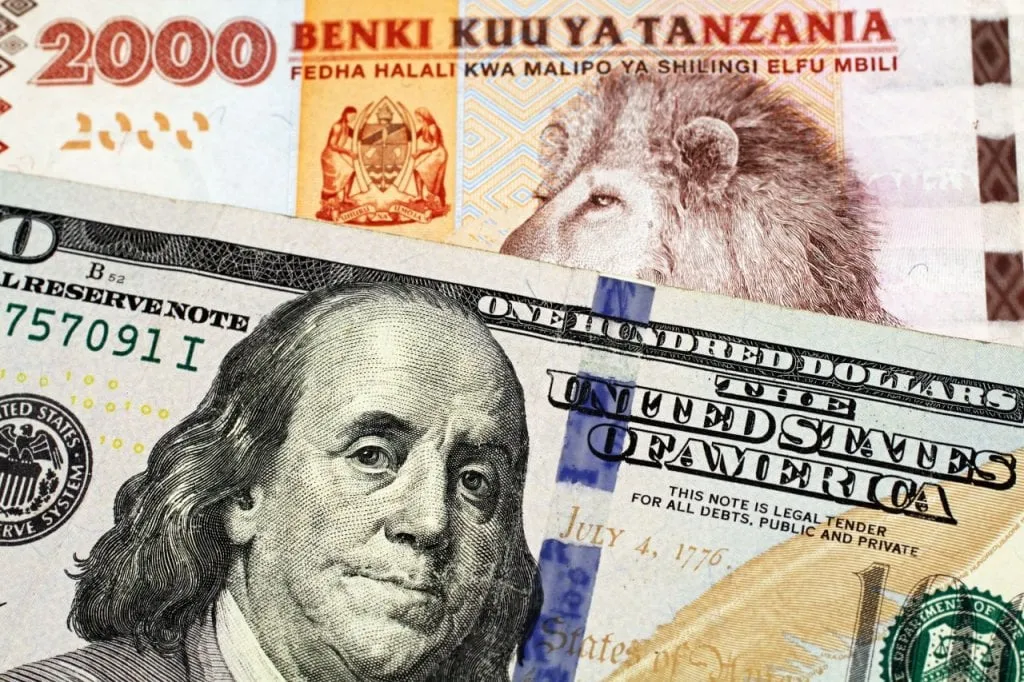
Learn how to pay for your Tanzania safari, Kilimanjaro climb or Zanzibar holiday safely, including payment methods, booking deposits, international bank transfers and practical advice for international travellers.
Use this article as a practical guide for planning your Tanzania journey with Mbega African Safaris.
How to Pay for Your Tanzania Tours – A Complete Guide
Planning a safari in Tanzania, climbing Mount Kilimanjaro or arranging a relaxing holiday in Zanzibar is an exciting experience. Once you have selected your preferred itinerary, accommodation and travel dates, the next important step is understanding how to pay for your trip safely and conveniently.
For many international travellers, making a payment to a local tour operator in another country can raise several questions. You may want to know whether you can pay by credit card, how international bank transfers work, when a booking deposit is required and how to protect your money when making payments online.
Fortunately, paying for your Tanzania tour can be straightforward when you book with a reliable local operator and follow clear payment instructions.
At Mbega African Safaris, we believe travellers should understand their booking costs, payment arrangements and financial responsibilities before confirming their adventure.
This complete guide explains the common ways to pay for Tanzania tours, what to check before transferring money and how to prepare for a smooth booking experience.
Understanding How Tanzania Tour Payments Work
When booking a Tanzania safari, Kilimanjaro trekking expedition or Zanzibar holiday, payment arrangements generally depend on the tour operator, type of package, travel dates and accommodation requirements.
Many Tanzania tour operators request an advance deposit to secure reservations, followed by a final balance payment before the trip begins.
The deposit may be used to arrange accommodation, reserve services and confirm other components of your itinerary.
For example, a private safari visiting Serengeti National Park, Ngorongoro Crater and Tarangire National Park may require accommodation reservations and other arrangements well before your arrival.
Similarly, a Kilimanjaro climbing expedition involves planning mountain guides, porters, transport, accommodation and trekking services.
Because payment policies vary between operators, travellers should always request written booking terms before sending money.
Paying for Your Tanzania Tour by International Bank Transfer
International bank transfers are a common method of paying for Tanzania safaris and Kilimanjaro climbing packages.
This payment method allows travellers to send money directly from their bank account to the tour operator's designated business account.
Bank transfers are particularly useful for larger bookings, private group safaris, family holidays and multi-day trekking expeditions.
Before making a transfer, request an official invoice containing the agreed tour price, payment deadline and verified banking information.
International bank transfer instructions generally include:
Beneficiary or account holder name
Bank name and branch details
Account number
SWIFT or BIC code
Bank location and country
Payment currency
Booking or invoice reference
After initiating your transfer, keep the transaction receipt and share the payment confirmation with your tour operator.
International transfers may take several business days, depending on the banks involved, intermediary institutions and payment currency.
Travellers should also check whether their bank charges international transfer fees or applies currency conversion costs.
For security, verify banking instructions directly through the tour operator's established contact details before transferring funds.
Paying for Tanzania Tours by Credit or Debit Card
Credit and debit cards can provide a convenient option for travellers who prefer electronic payments.
Some Tanzania tour operators accept international Visa and Mastercard payments through authorized payment processors or secure online payment links.
Card payments can be especially convenient for travellers who want to complete their booking without visiting a bank.

However, card acceptance and processing arrangements vary between companies.
Before paying by card, confirm whether your tour operator supports your card type and whether additional processing charges apply.
Your bank may also charge foreign transaction fees or apply its own exchange rate when converting currencies.
When making an online payment, use the payment link provided through your operator's verified communication channel.
Never send your full card details, PIN or one-time verification code through ordinary email, messaging applications or social media.
If your card payment is declined, contact your bank to check whether international online payments are enabled.
Paying Through Secure Online Payment Links
Some Tanzania travel companies use authorized payment platforms that allow international travellers to pay online.
Depending on the provider, a secure payment page may accept credit cards, debit cards or other supported electronic payment methods.
The general process involves receiving a payment link, reviewing the amount, entering payment information and completing any required bank verification.
Before proceeding, ensure that the link comes from your chosen tour operator and that the payment amount matches your official invoice.
Check the currency and any transaction charges before confirming the payment.
Once the transaction is completed, save your payment confirmation and request an official receipt.
For bookings with Mbega African Safaris, contact our team to confirm which online payment options are currently available for your reservation.
Can You Pay for Tanzania Tours Using Mobile Money?
Mobile money services are widely used in Tanzania for everyday financial transactions.
Popular services include M-Pesa, Airtel Money and Mixx by Yas.
Some tourism businesses may accept payments through supported mobile money systems, although availability depends on the operator, payment provider and the customer's country.
For international travellers, mobile money may be less convenient than a bank transfer or card payment unless the operator provides a suitable cross-border payment option.
Before using mobile money, confirm the official recipient, transaction charges, payment limits and supported currency.
Do not send money to an unfamiliar personal mobile number without verifying that the payment arrangement has been authorized by the company.
Travellers booking through Mbega African Safaris should request current payment instructions directly from our reservations team.
How Much Deposit Is Required to Book a Tanzania Tour?
A booking deposit is an advance payment made towards the total cost of your safari, Kilimanjaro climb or holiday package.
Deposits help tour operators confirm important arrangements, including accommodation reservations and other travel services.
The amount required depends on the company's booking policy and the type of tour being reserved.
For example, a traveller booking a safari costing USD 2,000 with an agreed 15% deposit would initially pay USD 300.
The remaining USD 1,700 would be payable according to the agreed balance deadline.
This is an illustrative calculation rather than a universal deposit requirement.
Some bookings may require larger deposits because of special accommodation conditions, peak-season availability or supplier requirements.
Always check your specific quotation and booking confirmation to understand the exact deposit required for your trip.
When Should You Pay the Remaining Tour Balance?
After paying your deposit, the remaining balance must normally be settled by the date specified in your booking agreement.
The payment deadline may depend on your departure date, accommodation reservations and the operator's terms.
Some tour operators require full payment several weeks before arrival, while others have different arrangements for certain types of bookings.
For travellers booking months in advance, it is important to record the final payment deadline and arrange the transfer early enough to avoid banking delays.

Last-minute bookings may require full payment immediately because accommodation and other services must be confirmed within a short period.
Before departure, request confirmation that your payment has been received and your booking arrangements are complete.
At Mbega African Safaris, travellers should follow the payment schedule shown in their individual booking documents.
Which Currency Should You Use to Pay for a Tanzania Safari?
The Tanzanian shilling, commonly abbreviated as TZS, is the official currency of Tanzania.
However, international tourism services are frequently quoted in United States dollars, especially for safaris, mountain climbing expeditions and accommodation arrangements.
Under Tanzania's foreign currency rules, payments between residents and non-residents, including international tourists, may be made in foreign currency where permitted.
Travellers should therefore check the currency shown on their quotation and invoice.
If your bank account uses euros, British pounds or another currency, your bank may convert the payment into the invoiced currency.
Exchange rates can change, so the final amount deducted from your account may differ from a simple online currency conversion estimate.
Before transferring money, confirm the payment currency, exchange rate arrangements and any additional banking charges.
Are There Extra Fees When Paying for Tanzania Tours?
Depending on your payment method, additional charges may apply.
International bank transfers can involve sending-bank fees, intermediary bank fees and receiving-bank charges.
Credit and debit card payments may involve transaction processing fees or foreign currency conversion charges.
The actual charges depend on the financial institutions and payment services involved.
For this reason, it is important to ask whether your quoted tour price includes all payment processing costs.
If you are making a bank transfer, clarify whether intermediary charges could reduce the amount received by your operator.
A transparent payment arrangement should make the final amount payable clear before you confirm your transaction.
Is It Safe to Pay for a Tanzania Safari in Advance?
Paying for a safari in advance can be a normal part of securing travel arrangements, particularly when accommodation and other services must be reserved before arrival.
However, travellers should take reasonable precautions before sending money internationally.
First, research your tour operator and review its official website, business information and independent customer feedback.
Second, request a detailed itinerary and written quotation that clearly explains the services included in your booking.
Third, make sure you receive an official invoice and understand the company's booking, cancellation and refund conditions.
Finally, verify the payment recipient through an established company contact channel.
Be especially cautious if you receive an unexpected message asking you to transfer money to a different account.
If payment instructions change, contact your tour operator independently using a previously verified phone number or official website.
These precautions can help protect your payment and reduce the risk of travel-related fraud.
How to Confirm Your Payment With a Tanzania Tour Operator
After making a payment, it is important to keep accurate records of your transaction.
For a bank transfer, retain the transfer confirmation or payment receipt issued by your bank.
For card payments, save the successful transaction confirmation and any receipt issued by the payment processor.
When contacting your tour operator, include your booking reference, travel dates, amount paid and payment date.
Your operator can then reconcile the payment with your reservation.
Remember that a bank's confirmation that a transfer was initiated does not always mean the funds have reached the recipient.
Request written confirmation once the operator has received the payment.
Keep copies of your invoice, payment confirmation, booking terms and final itinerary until your trip is completed.
Paying for Kilimanjaro Climbing Packages
Kilimanjaro climbing packages involve several operational arrangements that must be coordinated before your trekking departure.
Depending on the package, these may include mountain accommodation, guides, porters, meals, transport and applicable park fees.
When booking a Kilimanjaro climb, request a clear breakdown of the services included in your package.
Check whether your quotation includes hotel accommodation before and after the climb, airport transfers, mountain equipment and crew services.
It is also important to understand which expenses are excluded, such as personal trekking equipment, optional activities and gratuities.
Travellers should confirm their payment deadline in advance, especially when booking during the popular climbing seasons.
At Mbega African Safaris, our team can help you understand the booking arrangements for routes such as Machame, Marangu, Lemosho and Rongai.
Paying for Tanzania Wildlife Safaris
Wildlife safari packages may include national park visits, accommodation, professional driver guides, safari vehicles, meals and transfers.
The payment structure can depend on the itinerary and accommodation category selected.
For example, a luxury safari staying at exclusive lodges may involve different deposit or cancellation conditions from a budget camping safari.
Travellers planning visits to Serengeti National Park, Ngorongoro Crater, Tarangire National Park or Lake Manyara should book early during busy travel periods.
This is particularly important when travelling between June and October or during the popular southern Serengeti and Ndutu calving season.
Before making your deposit, ensure that the itinerary, accommodation category, number of travellers and total price are clearly documented.
If you request changes after confirming your booking, ask whether these changes will affect the final cost.
Paying for Zanzibar Holidays and Beach Excursions
Zanzibar offers a wide range of holiday experiences, including beachfront accommodation, cultural tours, spice farm visits, Stone Town excursions and marine activities.
Payment arrangements may differ depending on whether you book a complete holiday package or individual excursions.
Accommodation providers sometimes require advance deposits to guarantee room reservations, particularly during busy holiday periods.
For individual activities, some providers may accept payment closer to the excursion date.
Before paying, confirm whether your package includes hotel accommodation, airport transfers, meals, entrance fees and activities.
Travellers should also check whether any compulsory local taxes or insurance requirements are excluded from their tour quotation.
Understanding these details in advance helps avoid unexpected expenses during your Zanzibar holiday.
Should You Carry Cash When Travelling in Tanzania?
Although electronic payment options are available in many tourist destinations, carrying a reasonable amount of local currency remains useful.
Tanzanian shillings are convenient for smaller purchases, local restaurants, tips and personal expenses.
ATMs are available in major towns such as Moshi, Arusha and Dar es Salaam, but access may be limited in remote destinations.
Not every establishment accepts international cards, particularly in rural areas.
If you plan to carry US dollars, ask your tour operator or bank about the acceptable condition and series of banknotes.
Older or damaged notes may be difficult to exchange or may be rejected by some businesses.
Use recognized banks or authorized foreign exchange bureaus when converting money.
For security, avoid carrying large amounts of cash unnecessarily and keep valuables in a safe location.
Understanding Cancellation and Refund Policies
Before paying for your Tanzania tour, carefully review the cancellation and refund policy.
Travel plans can change because of personal circumstances, flight disruptions, illness or unforeseen events.
Refund conditions vary according to the operator, time remaining before departure and whether payments have already been committed to third-party suppliers.
Some accommodation reservations and special travel arrangements may involve non-refundable charges.
For this reason, travellers should never assume that a deposit is automatically refundable.
Ask for written information explaining cancellation deadlines, possible charges, refund procedures and any conditions affecting itinerary changes.
Travel insurance that includes suitable trip cancellation and interruption coverage can provide additional financial protection, subject to the terms of the policy.
Common Payment Mistakes to Avoid
When arranging a Tanzania safari or Kilimanjaro climb, several simple precautions can prevent payment problems.
Avoid transferring money without receiving a written quotation and official invoice.
Never assume that a payment request from an unfamiliar email address is genuine.
Check bank transfer fees and currency conversion charges before sending funds.
Confirm deposit requirements and final balance deadlines in advance.
Do not share passwords, card PINs or one-time verification codes.
Avoid leaving international bank transfers until the last moment.
Keep copies of payment receipts and booking correspondence.
Review cancellation and refund conditions before confirming your reservation.
Taking these precautions can make the booking process more reliable and help you travel with greater confidence.
Frequently Asked Questions About Paying for Tanzania Tours
Can I pay for my Tanzania safari in US dollars?
International safari packages are often quoted in US dollars, and foreign tourists may make permitted payments in foreign currency. Always confirm the currency accepted by your chosen tour operator before making a payment.
Can I pay for a Tanzania tour using Visa or Mastercard?
Some Tanzanian tour operators accept international credit and debit cards through authorized payment services. Contact your operator to confirm card availability and any processing fees.
Do I need to pay the full safari cost when booking?
Not necessarily. Many operators accept an advance deposit followed by a final balance payment. The exact arrangement depends on your booking terms.
How long does an international bank transfer to Tanzania take?
International transfer times vary according to the banks involved, destination account, intermediary banks and payment currency. Allow several business days and confirm receipt before your payment deadline.
Is it safe to send money to a Tanzania tour company?
International payments can be made securely when proper precautions are followed. Verify the company, use official payment instructions and obtain written booking documents before sending money.
Can I pay the remaining balance when I arrive in Tanzania?
This depends on the operator and your booking agreement. Some companies may offer arrival payment options, while others require the full balance before departure.
Will my bank charge extra fees for international payments?
Your bank may apply international transfer charges, intermediary banking fees or foreign currency conversion costs. Ask your bank for the applicable charges before paying.
Book Your Tanzania Adventure With Mbega African Safaris
Paying for your Tanzania safari, Kilimanjaro climb or Zanzibar holiday should be a clear and well-organized part of your travel planning.
Understanding your payment options, deposit requirements, final balance deadlines and cancellation conditions will help you make informed decisions and avoid unnecessary complications.
At Mbega African Safaris, we understand that planning an international holiday involves trust, preparation and attention to detail.
Our local team in Moshi is available to discuss your preferred Tanzania travel experience, provide booking information and explain the payment arrangements applicable to your chosen itinerary.
Whether you are planning a private wildlife safari, a Kilimanjaro trekking expedition, a family holiday or a relaxing Zanzibar escape, we can help you organize the next steps of your journey.
Ready to explore Tanzania? Contact Mbega African Safaris today to request your itinerary, quotation and official payment instructions.
